The Story of Phoneblocks, oder: wie man geniale Ideen verhindern kann.
Schau Dir mal dieses Video an – ist das nicht eine Mega Idee?
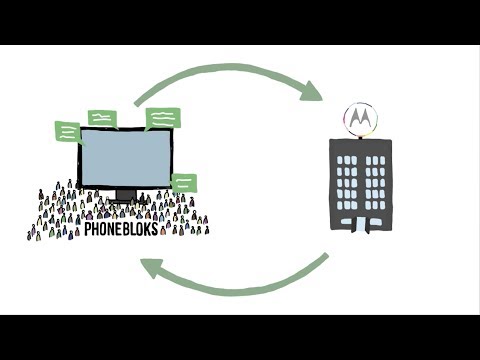
Das war 2013. Schon was von Phoneblocks gehört? Müsste doch schon auf dem Markt sein! Nein, ist es nicht: Google hat die Idee mit dem eigenen „Project Ara“ aufgegriffen – und später eingestampft. (Quelle) Hier die Story auf Phoneblocks.com:
„The biggest update on Project Ara happened yesterday, IT GOT CANCELED! Just like that. For Google this has always been one of their moonshots, an experiment that got quite big. It became a multiyear commitment, super close to finish. So why would they cancel? … Long story short, Google isn’t taking this to finish. Which kinda sucks, it could have made a massive impact, but perhaps not a massive profit..“
„But here is the thing. Phonebloks wasn’t a 2 year go-to market plan, its a vision to make our future electronics more modular and reduce e-waste. A long term direction, a big shift. Something that takes time, work, failure and effort. Google took a shot with Ara, pushed it forward and are now licensing their technologies to others.
Hopefully others will take over. For now we need to keep supporting initiatives that work towards a modular future. The guys from PuzzlePhone haven’t got a massive amount of resources available but they got the right mindset about setting up a platform and are currently looking for investors. Or get a Fairphone. We know its not as modular. But they take modularity step by step and are doing what they can for sure.“
Elektroschrott: Kinder und Frauen tragen das Risiko
Wenn alte Handys und Computer nicht ordentlich recycelt werden, landen sie oft bei informellen Verwertern in ärmeren Ländern. Dort werden Kabel verbrannt und Geräte von Hand zerlegt, um an Kupfer oder Gold zu kommen. Die Weltgesundheitsorganisation (WHO) schreibt: Die größten Risiken tragen Menschen in Ländern mit niedrigem und mittlerem Einkommen – besonders Kinder.
Nach Schätzung der Internationalen Arbeitsorganisation (ILO) arbeiteten 2020 bis zu 16,5 Millionen Kinder im Industriesektor. Wie viele davon Elektroschrott zerlegen, weiß niemand genau. Vor allem Blei schadet der Entwicklung des Gehirns, dem Lernen und dem Verhalten. Schwangere und Kinder sind besonders gefährdet.
Deshalb ist jedes Gerät, das länger hält, repariert oder sauber abgegeben wird, auch ein Stück Schutz für Kinder anderswo. Die EU verbietet inzwischen den Export von Elektroschrott in Nicht-OECD-Länder (Stand 2026).
Quellen: WHO: Electronic waste (e-waste), Faktenblatt 01.10.2024 · WHO: Electronic waste (e-waste) · WHO: Electronic waste (e-waste) · EU-Kommission: Waste shipments